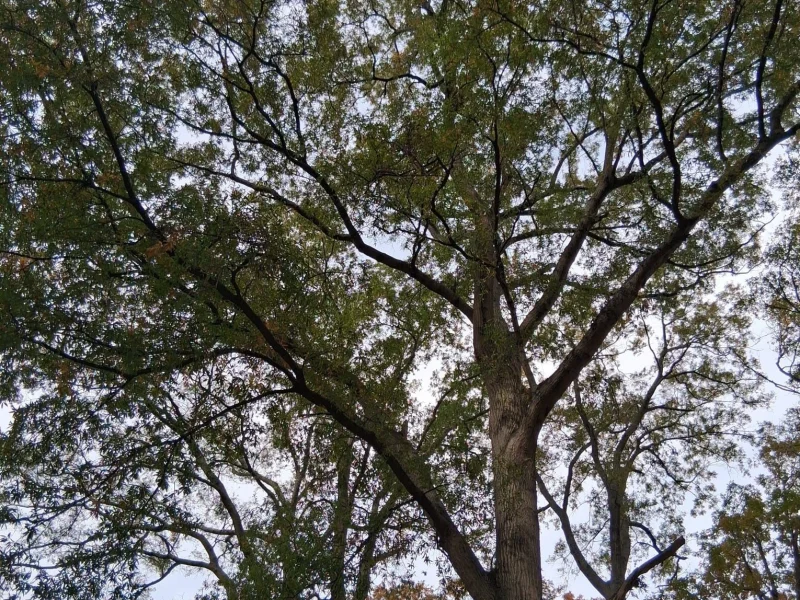
If you live in Newport News or anywhere along the Hampton Roads Peninsula, storm season isn’t a distant concern — it’s a recurring reality. Coastal Virginia is the state’s area most prone to hurricanes and tropical storms, with wind speeds from tropical storms ranging between 39 and 74 miles per hour, and full hurricanes clocking in at 75 miles per hour or greater. Those winds don’t just damage roofs and siding. They turn unprepared trees into the single biggest liability on a residential property. Smith & Keene
The good news is that most tree-related storm damage is preventable — not through luck, but through preparation that happens well before the first storm of the season forms in the Atlantic.
Why Trees Are Your Biggest Storm Risk
A healthy, well-maintained tree is genuinely resilient in high winds. The problem is that most trees homeowners think are healthy have structural issues that only become visible when a storm puts them to the test. Without proper care, even healthy-looking trees can become dangerous projectiles or fall hazards during a hurricane — high winds can snap large branches, uproot entire trees, and turn debris into projectiles. Luca’s Tree & Stump
Hampton Roads sits in the heart of the Atlantic hurricane corridor, where tropical storms, nor’easters, and sudden microbursts can send unstable trees crashing onto homes. Add to that the area’s coastal humidity, clay-heavy soil, and the fact that many Newport News neighborhoods have mature trees with decades of growth — and you have a lot of properties where tree risk is higher than homeowners realize. Truetimber Arborists
When to Start Preparing — Before You Think You Need To
Timing is everything with pre-storm tree work. Aim to schedule trimming at least 60 to 90 days before hurricane season begins in June — this gives trees time to heal and allows professionals to fit your job in before their schedule fills up. Smithstreecare
That means March through April is the ideal window for Hampton Roads homeowners. By the time June arrives and storm systems start forming in the Atlantic, pre-season appointment slots fill quickly and reactive trimming on short notice — right before a named storm — is both rushed and more expensive.
April and May are the window for a pre-season tree assessment. The trees on your property are your single biggest storm liability, and a trained eye can identify weak crotches, dead limbs, root issues, and disease that may not be obvious from the ground but will fail under hurricane-force wind. The cost of preventive limb removal is usually a fraction of the cost of post-storm cleanup, fence repair, and home or vehicle damage. Meadow Lawn And Pest
What Pre-Storm Tree Preparation Actually Involves
Remove Dead and Weakened Limbs First
Dead limbs don’t need a hurricane to fall — a strong afternoon thunderstorm is enough. Before storm season, any dead, dying, or visibly diseased branches should be removed entirely. Removing dead, poorly attached, or diseased limbs and having a certified arborist prune trees every three to six years is the baseline recommendation from the Virginia Department of Forestry for storm resilience. Virginia Department of Forestry
Focus Pruning on Overhanging and Structurally Weak Branches
When pruning for storm preparation, focus on branches that overhang structures, power lines, or roads — this minimizes the risk of falling branches causing damage. Pay particular attention to branches with narrow, V-shaped crotches rather than wide, U-shaped ones — the narrow angles are structurally weak and are the first points to fail under wind load. Coastal Spray
Never Top a Tree
Tree topping — cutting the entire upper portion of a tree back to stubs — is one of the most damaging things you can do to a tree’s long-term storm resilience, despite being a common instinct. The Virginia Department of Forestry explicitly advises against tree topping. Topped trees respond by producing rapid, dense regrowth from just below the cuts — that new growth is weakly attached and actually more vulnerable to breaking in high winds than the original structure would have been. Virginia Department of Forestry
Assess the Root Zone
A tree’s stability in a storm depends as much on what’s happening underground as what’s visible above. Trees with root damage, shallow root systems, or those planted in consistently saturated soil are at higher risk of uprooting entirely. Signs to watch for include heaving soil around the base, visible surface roots that are damaged or severed, and any noticeable lean that has developed or worsened over time.
Mulch the Base — It Matters More Than It Sounds
Properly mulching the base of trees helps protect roots and prevent trunk damage. Two to three inches of mulch around the root zone retains moisture, moderates soil temperature, and reduces the compaction that limits root depth and stability. Deeper, healthier roots mean a more storm-resilient tree. Virginia Department of Forestry
Support Young Trees
Young trees are more susceptible to storm damage — staking and supporting them before storm season can prevent uprooting. In Newport News yards where new trees have been planted within the last two to three years, checking that stakes and ties are properly positioned and not cutting into bark is worth doing before the season begins. Coastal Spray
What Not to Do Right Before a Storm
Once a named storm is approaching, the window for meaningful tree work has closed. Aggressive pruning in the days immediately before a hurricane can actually stress the tree and disrupt its structure at exactly the wrong moment. Over-pruning right before hurricane season can stress a tree’s structure and make it more vulnerable to wind damage. Luca’s Tree & Stump
At that point, the focus should shift to securing loose objects in the yard — not attempting last-minute tree work that the calendar no longer supports safely.
After the Storm: What to Watch For
Even trees that appear undamaged after a hurricane may have sustained hidden structural damage worth monitoring. Cracks in major limbs, a new or worsened lean, and exposed or disturbed root zones are all signs that a post-storm assessment is warranted before assuming a tree is safe. Trees that were already stressed before the storm — from disease, drought, or compaction — are the ones most likely to fail in a delayed way in the weeks following.
Let B. Meister Help You Get Ahead of Storm Season
Pre-season tree work is one of the highest-value things a Newport News homeowner can do before June — and one of the most time-sensitive. B. Meister Landscaping provides professional tree services throughout Newport News and the surrounding Hampton Roads area, including pre-storm assessments, limb removal, and structural pruning that prepares your trees for whatever the Atlantic sends our way.
📞 Contact us today for a free consultation — and let’s get your trees ready before storm season does it for you.