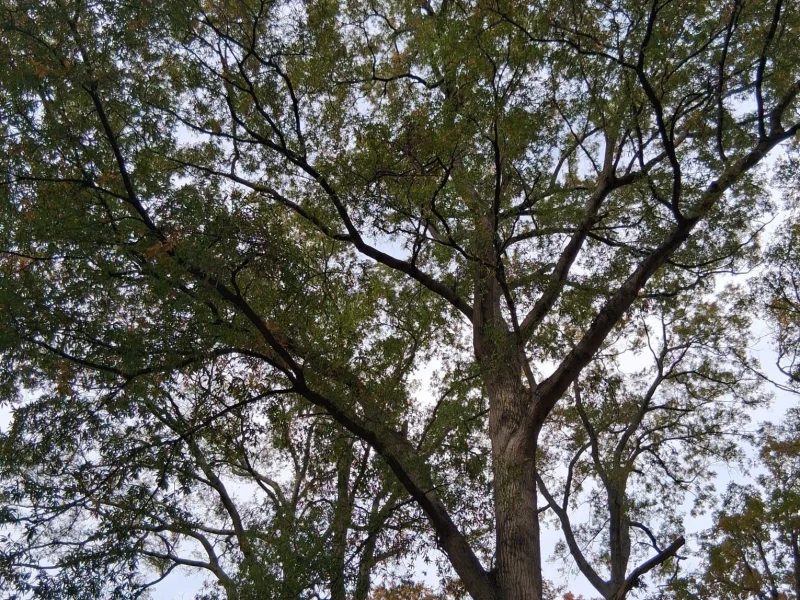
Every year around this time, Newport News homeowners start asking the same question: “Is my tree dead, or is it just going dormant?” Leaves are dropping and branches are going bare, so a perfectly healthy tree and a dying one can look almost the same from the kitchen window.
Getting it wrong costs money either way. Remove a healthy dormant tree and you lose decades of shade and property value. Leave a dead one standing beside the house, the fence, or the driveway and you risk a much more expensive problem the next time a storm rolls through Hampton Roads.
Here is how to tell the difference with a few simple checks, what the warning signs look like, and when it’s time to bring in a professional.
What “Dormant” Actually Means
Dormancy is a tree’s seasonal rest. Deciduous trees such as oaks, maples, and crape myrtles drop their leaves in fall and slow their growth through winter. The tree is still alive; it is conserving energy until spring. A dormant tree looks bare, but it is not dying.
A dormant tree is alive and holding moisture in its wood. A dead tree has stopped moving water and nutrients altogether. That difference shows up in how the branches feel, what the bark looks like underneath, and whether the buds are viable.
One local note: in Virginia, even dormant trees begin showing signs of life by late February or early March as buds swell and soften. If a tree is still completely unresponsive once spring growth starts, that is when concern becomes justified.
Three Simple Tests You Can Do Yourself
You don’t need special tools. A fingernail or a small pocketknife is enough, and each test takes only a few seconds.
1. The Scratch Test
Gently scrape away a small patch of the outer bark on a twig or small branch. Healthy bark is moist and green or white underneath. If the layer under the bark is brown, dry, or crumbly, that branch is dead.
Test several spots on different sides and at different heights. Parts of a tree can die while the rest stays alive, so one brown result doesn’t mean the whole tree is gone. If the upper branches test dead but the lower branches and trunk still show green tissue, the tree may still have a chance, and that is the point to talk to an arborist before deciding anything.
2. The Snap Test
Bend a few pencil-thick twigs from different parts of the canopy. Live wood is flexible and bends. Dead wood snaps cleanly and feels dry and brittle.
3. The Bud Check
Look closely at the tips of the twigs. Dormant trees carry plump, firm buds, even when they haven’t opened yet. Shriveled, dry, or missing buds across multiple branches are a warning sign.
Run all three tests, not just one. A single result can mislead you, but the combination tells a clearer story.
Warning Signs That a Tree Is Dying or Dead
Beyond the quick tests, these are the visible signs that a tree is in real trouble:
- Brittle, lightweight branches. Dead branches feel dry and hollow, while dormant ones feel heavier because of the moisture inside.
- Bark peeling off in large sheets. Some species shed bark naturally, but large bare sections of trunk mean that part of the tree can no longer move nutrients.
- Cracks, splits, or cavities in the trunk. These weaken the tree structurally and give pests and decay an entry point.
- Mushrooms or fungus at the base or on the trunk. Fungal growth near the roots often points to decay that has been developing underground for some time.
- A hollow sound when you tap the trunk. An echo can mean internal decay.
- A lean that is new or getting worse. A tree that has shifted position may have root failure below ground.
- Dead branches in the canopy while other trees nearby are fully leafed. Every tree drops the occasional twig, but a lot of dead wood in one canopy is a different story.
- No leaves or buds during the growing season. A tree showing no signs of life in peak season is dead, not dormant. If a tree shows no bud activity by late spring and tests brown across multiple branches, it is safe to conclude it won’t recover.
What Causes Trees to Decline in Hampton Roads
Understanding the cause helps you spot trouble earlier and sometimes prevent it. These are the stressors we see most often around Newport News:
- Heat and drought stress. Long dry stretches in summer weaken a tree’s defenses against insects and disease. Because trees are so large, the damage can take years to show, but once decline starts, it is very hard to reverse.
- Root damage from construction or grading. Roots typically extend two to three times the width of the canopy. Machinery, trenching, and grading near a tree can sever or compact them, and a tree can take as long as five years to finally die from that kind of injury.
- Compacted, clay-heavy soil. Much of the Peninsula sits on dense clay that limits how well roots can breathe and grow.
- Storm and wind damage. Hampton Roads weather can crack limbs and loosen root systems, and the effects don’t always appear right away.
- Pests and disease. Insects and fungal problems often target trees that are already stressed.
- Improper mulching. Mulch piled against the trunk holds moisture on the bark and invites decay.
Why You Shouldn’t Wait on a Dead Tree
A dead tree doesn’t stay stable. As it dries out, the wood becomes brittle and unpredictable, and dead limbs can fall without warning, not only in hurricane season but during an ordinary thunderstorm.
If a dead or dying tree stands close to your home, fence, driveway, or power lines, don’t wait for it to fall. Removing it on your own schedule is almost always cheaper and safer than dealing with the aftermath of a failure.
When to Call a Professional
The tests above are a good first screen, but they have limits. Call a professional if:
- The results are mixed. Green wood on some branches and brown on others means the tree needs a trained assessment.
- The tree is large or close to a structure. Never attempt to cut down or heavily prune a large tree yourself.
- You see trunk cracks, fungus at the base, or a developing lean. These point to structural or root problems that aren’t visible from the ground.
- You aren’t sure about local permit rules. Larger trees in Newport News may require a permit before removal, so confirm before any work begins.
A professional assessment can tell you whether a tree can be saved with pruning and care, or whether removal is the safest option.
Let B. Meister Take a Look
Whether you have a tree that looks suspicious or a tree you already know has to come down, B. Meister Landscaping provides professional tree services throughout Newport News and the surrounding Hampton Roads area. We assess the tree honestly, tell you what we find, and handle the work safely, including clean up afterward.
📞 Contact us today for a free estimate, and let’s find out whether your tree is resting or running out of time.