Well-shaped shrubs frame a home, define the landscape, and signal to anyone driving by that a property is cared for. But there’s a fine line between a shrub that’s been trimmed to look its best and one that’s been cut back so aggressively it struggles to recover. Over-pruning is one of the most common mistakes in Hampton Roads yards — and it usually comes from good intentions.
Here’s how to get the curb appeal benefits of shaped shrubs without crossing the line that hurts them.
Why Over-Pruning Happens — And Why It’s a Problem
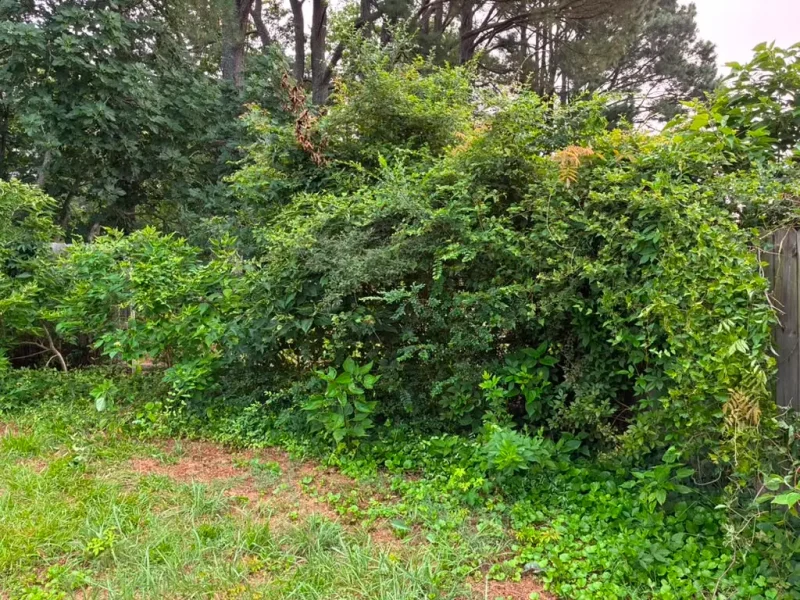
Most homeowners trim shrubs reactively — when they’ve grown past a window, started touching the siding, or simply look overgrown. The instinct is to cut them back hard so they stay manageable longer. The problem is that removing too much foliage at once puts the plant under serious stress.
Shrubs depend on their leaves to produce energy through photosynthesis. When you remove too much of that leaf surface in a single session, the plant redirects all of its energy into producing new growth as fast as possible — which sounds productive but actually results in weak, leggy shoots rather than dense, healthy branching. In Virginia’s humid climate, that stressed new growth is also more vulnerable to fungal disease and pest pressure than established foliage.
The visual result is a shrub that looks bare immediately after trimming and then grows back unevenly, often losing the clean shape you were trying to achieve in the first place.
The One-Third Rule: The Most Important Guideline in Shrub Trimming
The baseline rule that professional landscapers follow is simple: never remove more than one-third of a shrub’s total volume in a single trimming session. This applies whether you’re shaping for aesthetics, cutting back overgrowth, or doing seasonal maintenance.
Staying within that one-third threshold gives the shrub enough foliage to continue producing energy, recover cleanly, and fill back in with healthy, dense growth rather than stressed fast-growth shoots. For shrubs that have gotten significantly out of hand, this means bringing them back to the right size gradually — across two or three trimming sessions over a full season — rather than all at once.
Matching the Shape to the Shrub
Not every shrub looks best in the same shape, and forcing the wrong form onto a plant works against its natural growth habit. A few guidelines that apply specifically to the shrubs most common in Hampton Roads yards:
- Boxwoods respond well to tight, geometric shaping — squares, spheres, and hedges — because their dense, small-leafed growth holds a clean edge. Trim them in late spring after the first flush of new growth hardens off, and again lightly in early fall.
- Hollies are naturally upright and pyramidal. Trimming them into a ball or flat-topped shape fights their growth habit and requires constant correction to maintain. A light trim that follows their natural silhouette looks better and requires less frequent attention.
- Crepe myrtles — one of the most common shrub-trees in Newport News — should never be topped or cut back to stubs. Light shaping of the branch tips after blooming is all they need. Heavy cuts produce the dense, weak regrowth known as “crepe murder” that permanently disfigures the plant.
- Azaleas bloom on old wood, meaning they set their flower buds in late summer for the following spring. Trimming them in fall or winter removes those buds entirely. Shaping should happen immediately after spring bloom, before the new buds form.
- Loropetalum and viburnum are fast-growing and benefit from more regular light trimming rather than infrequent heavy cuts — the same principle as the one-third rule applied on a more frequent schedule.
Timing Matters as Much as Technique
In Hampton Roads, timing a shrub trim to the season makes a significant difference in how the plant recovers and how long the shape holds:
- Late winter to early spring is generally the best window for most broadleaf evergreens — before new growth begins, so the plant puts its energy into the shape you’ve created rather than into foliage you’re about to remove
- After bloom is the right time for flowering shrubs like azaleas, camellias, and gardenias — trimming before bloom removes the flowers; trimming after lets you enjoy them first and still shape the plant before next season’s buds set
- Avoid heavy trimming in late summer and early fall for most shrubs — it stimulates new tender growth that won’t have time to harden before winter, leaving it vulnerable to cold damage
The Tools Make a Difference Too
Clean, sharp tools make cleaner cuts, which heal faster and are less vulnerable to disease entry. Dull blades crush and tear rather than cut cleanly, leaving ragged edges that take longer to callus over — a real concern in Virginia’s humid environment where wound sites can become entry points for fungal infection.
Hand pruners work best for individual branches up to about three-quarters of an inch in diameter. Loppers handle thicker stems. Hedge shears — manual or electric — are for surface shaping of dense foliage, not for cutting into thick structural branches. Using hedge shears on the wrong type of shrub is one of the fastest ways to create an over-pruned, balled-up plant that loses its natural form.
When to Call a Professional
Shrub shaping looks straightforward but requires knowing how each species responds to cutting, what growth habit to work with rather than against, and how to keep the overall landscape looking balanced rather than just trimming each plant in isolation. One over-pruned specimen in an otherwise well-maintained front bed stands out immediately — and recovery takes a full growing season or more.
B. Meister Landscaping provides professional shrub trimming throughout Newport News and the surrounding Hampton Roads area. We trim to the plant’s natural habit, stay within healthy removal limits, and time each visit to the season — so your shrubs stay healthy, hold their shape, and actually improve your curb appeal rather than just looking like they’ve been cut.
📞 Contact us today for a free estimate and let’s get your shrubs looking their best without the setback of over-pruning.